The motto Bhinneka Tunggal Ika (“Unity in Diversity”) is enshrined on a banner held in the eagle’s talons, signifying the unity of the Indonesian people despite their diverse ethnic and cultural backgrounds.
The desert winds carry whispers of betrayal and redemption, of a nation divided by time, faith, and the ghosts of fallen kings. I have walked among the ruins of great empires, where men once swore loyalty to their sovereigns only to discard them in the tempests of revolution. Persia, the land of Cyrus and Darius, now trembles under the weight of its own destiny.
The streets of Tehran, once adorned with the dreams of poets and scholars, now burn with the cries of a people yearning for salvation. The old clerics, wrapped in the black robes of prophecy, hold the city in a grip of iron and scripture, fearful that their time is nearing its end. In distant lands, an exiled prince waits, watching his homeland with the longing of a man who carries the burden of bloodlines and history.
Reza Pahlavi, the last son of the Peacock Throne, stands beyond the walls of his father’s fallen empire, seeking a path back to the land that cast him away. He speaks of democracy, of reclaiming what was lost, yet his hands are bound by the chains of exile. The people who once danced in the palaces of the Shah now live in the shadow of Ayatollahs, choosing between the oppressors they know and the ghosts they remember.
What is the fate of a nation when the past and the present war over its soul? The clerics rule through fear, weaving a tapestry of martyrdom and power, while the exiled prince offers dreams of a new dawn. Yet history is cruel to kings who seek to return. How many have stood at the gates of their fallen kingdoms only to find them closed forever?
The youth of Iran, their hearts filled with fire, do not seek another king. They do not chant for the return of a throne draped in forgotten glories. They seek justice, freedom, and the right to carve their own path. But in their struggle, they face a beast with a thousand eyes, a regime that crushes dissent beneath the boots of its enforcers, while whispering promises of divine purpose.
And so, the Mahdi watches. The exiled prince speaks. The mullahs scheme. The people rise. History repeats itself in the shifting sands of Persia.
Will the Peacock fly once more, or is the empire fated to burn in the fires of its own making? The answer lies in the hands of those who dare to challenge fate itself.
Iraq recorded a government debt equivalent to 63.70 percent of the country’s Gross Domestic Product in 2016.
The official motto of Iraq is “Allahu Akbar” which translates to “God is the Greatest”
Scene: The Al-Farooq Mosque – Night
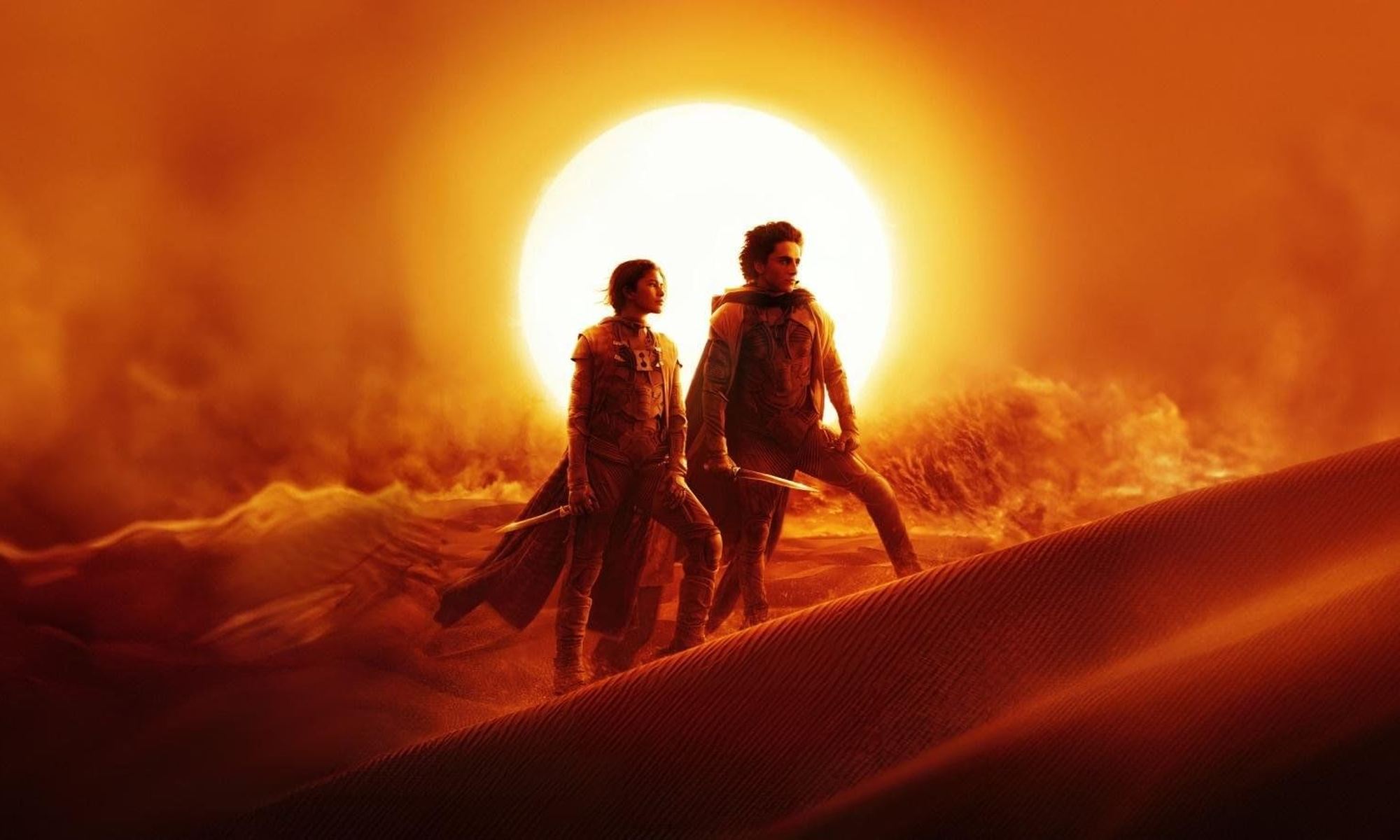
The air is thick with the scent of incense and the low hum of whispered prayers. The flickering glow of oil lamps casts long shadows against the sandstone walls. The faithful sit cross-legged on woven rugs, their faces turned toward the raised pulpit where a figure stands cloaked in desert robes—Paul Muad’Dib, his eyes dark with the weight of prescience.
Silence falls like a blade.
Muad’Dib (voice quiet, yet cutting): “You have heard the imams speak of justice. You have heard the politicians speak of peace. But I come to speak of the poison in the womb of the earth, the curse left by the invaders.”
A murmur ripples through the crowd. An old man clutches his grandson tighter.
Muad’Dib: “In Fallujah, the mothers do not ask, ‘Is it a boy?’ They ask, ‘Is it normal?’”
A woman in the back stifles a sob.
“The water is dust. The soil is betrayal. The invaders called it ‘liberation,’ but what grows from their gift? Children with bones like glass. Babies born without faces.”
His voice rises now, trembling with fury.
“They rain death from the sky—not just bombs, but a sickness that lingers, that twists life in its cradle. Depleted uranium. A weapon that kills long after the war is over.”
A young man stands, fists clenched. “What do we do, Muad’Dib?”
Paul’s gaze is fire.
“You remember. You testify. And when the time comes, you demand justice—not in the shadows, not in whispers, but before the eyes of the universe.”
He steps down from the pulpit, the crowd parting before him.
“No one harms George Bush. No assassin’s bullet, no martyr’s blade. I want him alive. I want him to sit in the dock of history, to hear the cries of the mothers of Fallujah. I want him to face what he has done.”
The mosque is silent, the weight of his words settling like ash.
Then, from the back, a single voice: “Laa ilaaha illa Allah.”
The call is taken up, a wave of defiance, of grief, of resolve.
And Muad’Dib walks into the night, the desert wind howling like the voices of the unborn.